Why Death Parade Remains Anime's Most Underrated Gambling Thriller, Flawed Arbitrators and Moral Ambiguity
--
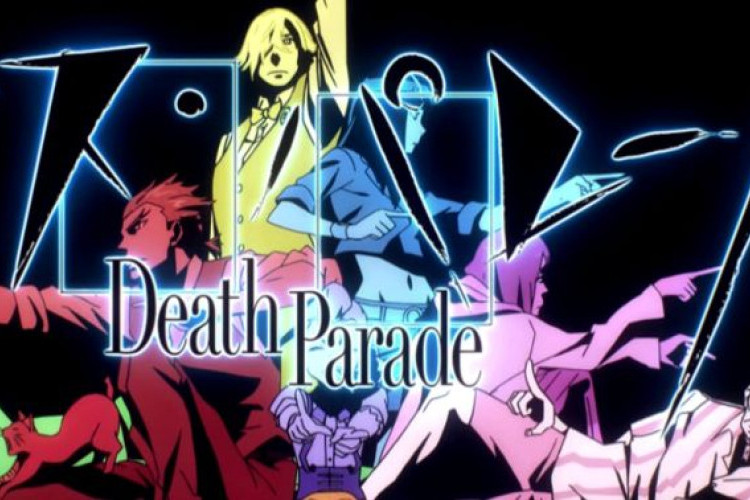
MUST COMICS - When anime fans discuss high-stakes gambling and psychological thrillers, titles like Kakegurui, Kaiji, or No Game No Life usually dominate the conversation. However, one of the most brilliant, thought-provoking, and emotionally devastating entries in the genre remains largely overlooked: Death Parade.
Produced by Studio Madhouse and released in 2015, this original anime takes the concept of gambling and elevates it from mere monetary bets to the ultimate wager—the fate of the human soul.
Read more: Rudeus Greyrat’s Family Tree in Mushoku Tensei: Every Member and Relationship Explained
The Core Premise: A Bar at the Border of Heaven and Hell
Directed by Yuzuru Tachikawa, Death Parade evolved from a 2013 short film titled Death Billiards, which was produced as part of the Young Animator Training Project's Anime Mirai. The 12-episode series expands this concept into a hauntingly stylish universe.
The story takes place in Quindecim, a mysterious bar located in the afterlife. When two people die at the exact same moment on Earth, they arrive at Quindecim with no memory of their deaths. They are met by Decim, an enigmatic bartender who serves as an Arbitrator. Decim forces the deceased guests to participate in a randomly selected game—ranging from darts, bowling, and billiards to Twister and fighting games.
Flawed Arbitrators and Moral Ambiguity
What sets Death Parade apart from standard gambling narratives is its exploration of morality and empathy. Arbitrators like Decim are artificially created beings who lack human emotions.
They are designed to remain detached so they can judge humans objectively. However, because they do not feel human emotions, their judgments are inherently flawed—they judge humans based solely on the extreme behavior displayed during forced life-or-death situations.
Read more: Official Spoilers Happy Twogether Chapter 34 English Sub, Feeling Disturbed
Read more: The Meaning of the Chapter's Ending Sweet Sugar Candyman 16 English Sub, Loving Each Other
The introduction of Chiyuki, a human assistant who retains her emotional intuition, challenges Decim’s worldview. She forces him—and the audience—to question whether a single high-stakes game can truly define the value of a person’s entire life.
Production Value: Visuals, Jazz, and the Iconic Opening
Madhouse's production quality remains top-tier throughout the series. The animation features sleek interior designs, vivid lighting, and fluid character movements during intense game sequences. Accompanying the visuals is an exceptional jazz-infused soundtrack composed by Yuki Hayashi, which perfectly complements the noir aesthetic of Quindecim.
In stark contrast to the show's somber themes, the opening theme song—"Flyers" by BRADIO—is an upbeat, disco-funk masterpiece. The opening animation features the characters dancing joyfully, creating a famous juxtaposition that remains iconic among anime enthusiasts.
Despite critical acclaim upon release, Death Parade is rarely listed alongside mainstream psychological gambling hits. Because it was an original anime without a pre-existing manga fanbase, it gradually faded from public discussion after its initial run.
Yet, its blend of high-stakes competition, philosophical inquiry, and emotional storytelling makes it a timeless masterpiece. Rather than celebrating ruthlessness or clever cheating like typical gambling shows, Death Parade uses high-stakes games to examine human nature, remorse, and the beauty of life itself.