Anime Staff Break Silence on Mii-chan and Miss Yamada Disability Representation Criticism Regarding Representation Controversy
--
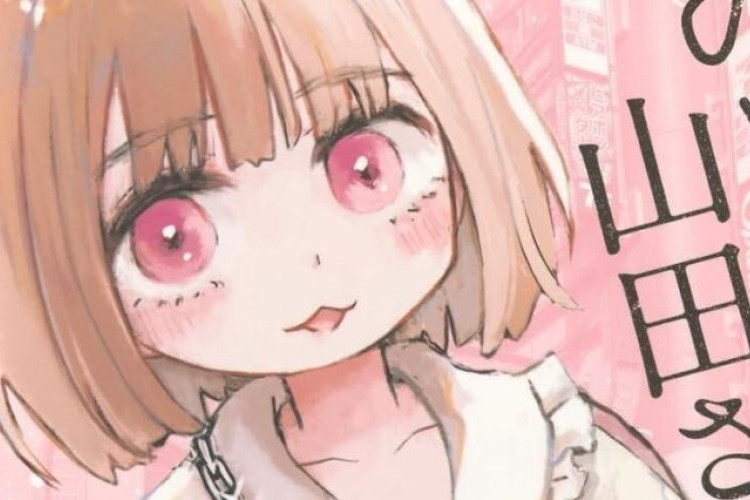
MUST COMICS - The production team behind the upcoming anime adaptation of Mii-chan and Miss Yamada (Mii-chan wa Yamada-san ni Katenai) has officially issued a statement addressing growing online criticism and concerns regarding its portrayal of disability.
Following the release of initial promotional materials, the series faced scrutiny from viewers and advocacy groups who raised questions about the sensitivity and accuracy of how disability and caretaking dynamics are depicted within the narrative.
Read more: Rudeus Greyrat’s Family Tree in Mushoku Tensei: Every Member and Relationship Explained
Mii-chan and Miss Yamada, based on the popular manga series, revolves around the daily lives, interpersonal relationships, and comedic interactions between its central characters. However, as publicity for the animated adaptation expanded globally, discussions intensified across social media platforms regarding the series' thematic framing—specifically concerning how physical or cognitive disabilities, caregiving responsibilities, and trope-driven comedy intersect.
Critics and concerned fans expressed apprehension that certain comedic beats or character tropes might trivialize the lived experiences of individuals with disabilities or reinforce outdated stereotypes. The online discourse quickly gained traction, prompting call-outs regarding the need for better consultation and representation within mainstream anime productions.
In response to the feedback, the anime's production committee and core staff released a formal statement clarifying their creative intent and addressing the community's concerns. The staff expressed gratitude for the audience's engagement and acknowledged the validity of the discussions surrounding respectful media representation.
Industry Impact and Community Reaction
The response from the Mii-chan and Miss Yamada staff highlights a growing trend within the anime industry toward greater accountability and global awareness regarding sensitive social topics. In recent years, anime production houses have increasingly faced international scrutiny as global streaming platforms broaden the reach of Japanese animation to diverse audiences with varying cultural perspectives.
Following the statement, reactions within the anime community have been mixed but generally receptive to the staff's proactive stance. While some commentators remain cautious until the full series airs, many fans praised the studio for directly acknowledging constructive criticism rather than ignoring the discourse.
The official statement from the Mii-chan and Miss Yamada anime staff marks an important step in addressing public concerns surrounding disability representation in contemporary media. As the series moves closer to its scheduled release, industry observers and fans alike will be watching to see how the production balances its source material with a sensitive, well-rounded execution.